Promoting Poland to Irish Travellers with an AI-First Destination Marketing Strategy
“Digital Dialog has been a great partner for Marketing Manchester to work with. The AI guide produced in collaboration with the team has given our tourism and hospitality businesses a clear starting point, with practical industry specific use cases and tips that are easy to implement. The follow up webinar hosted by Manu provided clear demonstrations and practical prompting advice, making the AI concepts accessible and actionable for attendees. We’ve had great feedback from the sector from both the AI Guide and interactive webinar with partners expressing increased confidence and enthusiasm to explore AI in their daily work.”
Matthew Gardner
Tourism Business Growth Manager
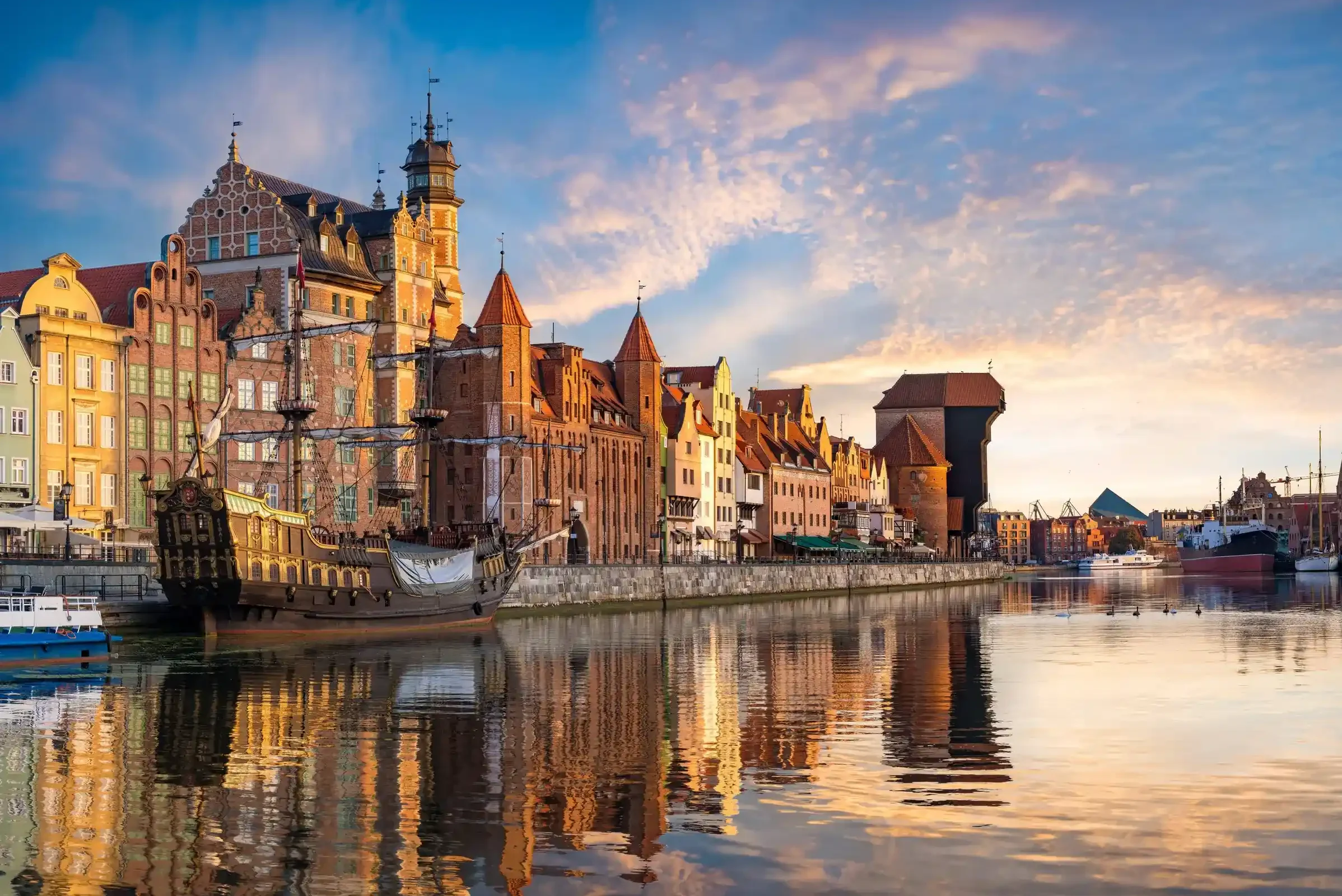
How Digital Dialog used AI-led research, route analysis and creative planning to promote Gdańsk and Poznań as short-break destinations The Polish National Tourist Office wanted to promote Poland as an accessible and inspiring short-break destination for Irish travellers under the campaign slogan “Poland. More than you expected.” The campaign focused on Gdańsk and Poznań, two Polish cities with direct air access from Ireland, and ran across Facebook, Instagram and Programmatic Native over a four-week period. For Digital Dialog, this was more than a destination awareness campaign. It was an opportunity to show how an AI-first approach can strengthen destination marketing strategy, from research and planning through to messaging, creative organisation, campaign delivery and performance analysis.
The challenge
Poland needed to feel like a realistic and appealing short-break option for Irish travellers.
The campaign brief focused on Irish residents interested in European city breaks, culture, food, heritage, architecture and emerging destinations. The task was to promote Gdańsk and Poznań in a way that balanced awareness at scale with meaningful audience relevance.
Direct air access was an important part of that challenge. For short-break travel, the question is rarely just “Is this destination attractive?” It is also “Can I get there easily, from an airport I would realistically use, for the kind of trip I am
planning?”
That meant the campaign needed to connect several strands of thinking:
- direct flight access between Ireland and Poland
- airport catchment behaviour in Ireland
- Irish short-break travel preferences
- the different strengths of Gdańsk and Poznań
- audience interests around culture, food, heritage and discovery
- the right balance between practical travel messaging and destination inspiration
The original reach ambition was high for the available campaign conditions.
Drawing on Digital Dialog’s experience of running similar tourism and
destination campaigns, we worked with the client to align expectations around
realistic delivery, audience quality and campaign relevance before the
campaign went live.
The strategic approach
The central idea was simple:
Make Poland feel both accessible and worth discovering.
Direct flights helped make the campaign practical. Destination storytelling helped make it compelling.
Digital Dialog used direct air access as one of the core planning inputs. Research into scheduled flights from Ireland to Poland showed that direct routes were concentrated around Dublin, Cork and Shannon, with each airport playing a different role in the campaign strategy.
Dublin offered the broadest set of direct Poland connections. Cork and Shannon had more route-specific roles. At the same time, research into Irish airport behaviour showed that travellers do not always use only their nearest airport, especially when another airport offers a better route, timing or travel option.
This helped shape a campaign approach that treated Ireland as a set of overlapping travel catchments rather than one flat national audience.
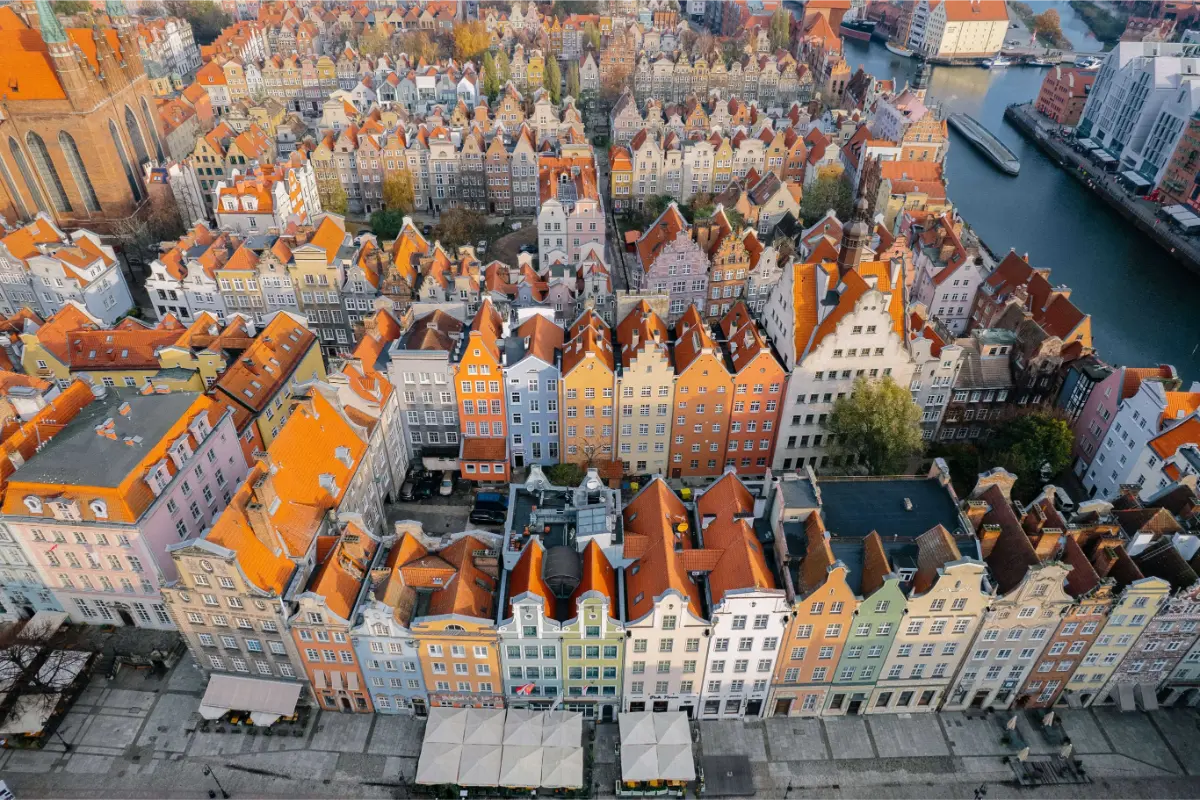
Gdańsk and Poznań were also approached through their own strengths. Gdańsk offered strong visual and cultural appeal, with waterfront atmosphere, architecture and heritage. Poznań offered a fresh, discovery-led city-break proposition, well suited to travellers looking for a less obvious European short break.
The result was a campaign framework that connected access, audience intent and destination appeal without making every ad feel purely functional.
AI-first campaign planning, beyond platform automation
AI-first campaign planning, beyond platform automation
When people talk about AI in marketing campaigns, the conversation often focuses on creative production: AI-written copy, AI-generated images, automated ad variations or built-in platform features.
Digital Dialog’s approach is broader than that.
For this campaign, AI created the most value at the research and planning stage. It helped us explore, organise and interpret multiple inputs before the media activity went live, including:
- research into scheduled flights from Ireland to Poland
- analysis of airport catchments and Irish traveller behaviour
- research into the relative appeal of Gdańsk and Poznań
- research into Irish short-break and city-break travel preferences
- campaign-specific messaging development
- creative asset interpretation and mapping
- reporting, measurement analysis and future recommendations
This is where Digital Dialog’s experience matters. We bring more than a decade of tourism, travel and destination marketing experience to campaign planning. AI helps us work faster, go deeper and structure complex information more effectively, but the value comes from knowing which insights matter and how to apply them.
We are also selective about platform-based AI features. Automated recommendations inside ad platforms can be useful, but they can also push campaigns towards overly broad audiences, unwanted creative changes or optimisation choices that do not fully reflect the campaign strategy.
For Digital Dialog, AI-first campaign planning means using AI as a strategic layer, not simply as a creative shortcut or a platform setting.
How AI shaped the campaign
1. Researching the real travel opportunity
AI-supported research helped structure the scheduled flight picture between Ireland and Poland by airport, route, seasonality and relevance to Gdańsk and Poznań.
This helped ensure that the campaign was grounded in how Irish travellers could realistically access Poland, rather than relying only on broad geographic targeting.
The research also looked beyond flights alone. We considered how Irish travellers choose airports, how far they may be willing to travel for the right route, and how city-break audiences think about short European getaways.
Together, these insights helped shape the targeting strategy and the way access was reflected in the campaign.
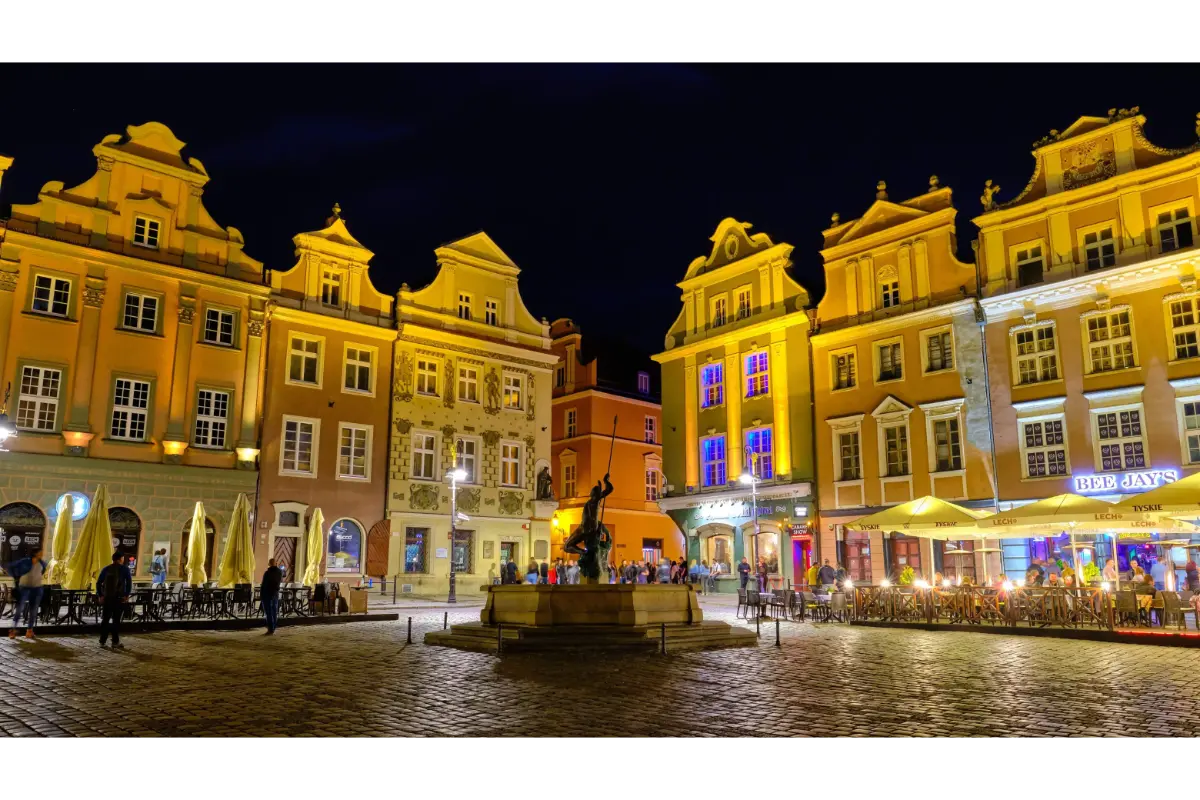
2. Playing to each city’s strengths
The campaign did not need a rigid city hierarchy. It needed a clear
understanding of how each city could appeal to Irish travellers.
Gdańsk and Poznań were treated as complementary short-break destinations,
each with its own creative role.
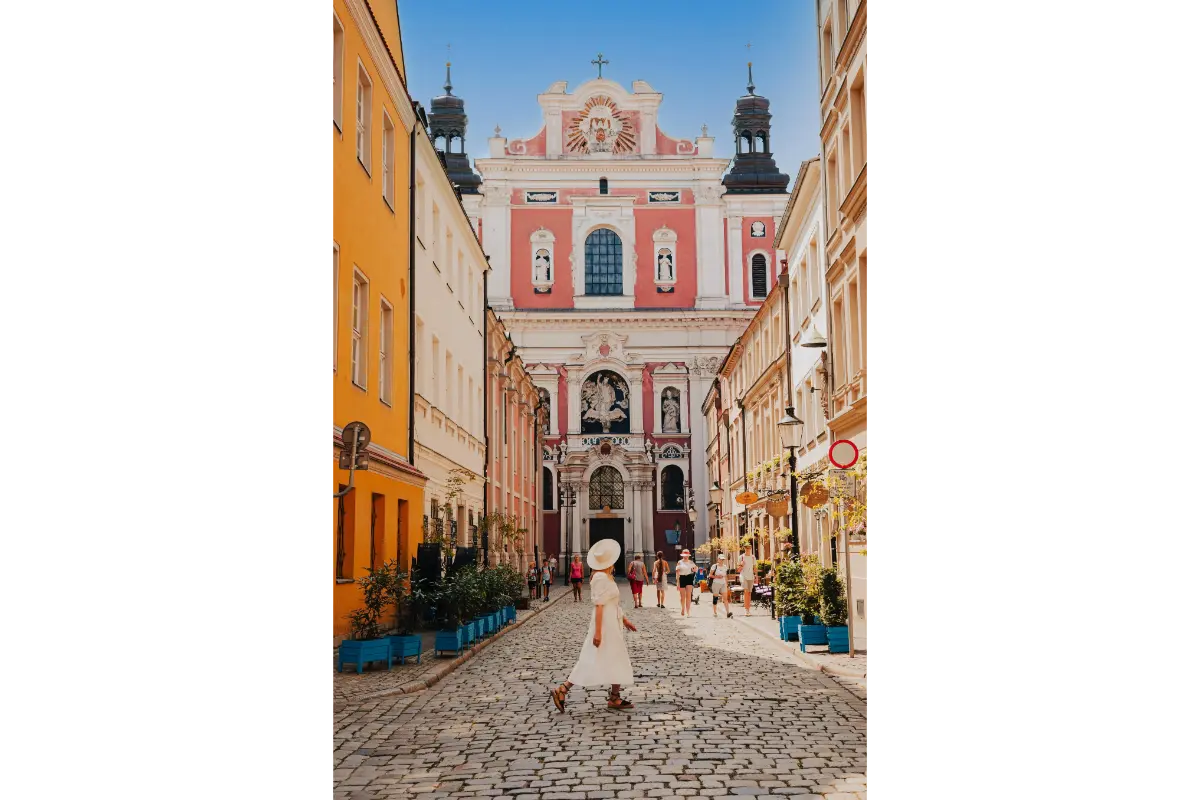
Gdańsk could be presented through its waterfront, architecture, history and
broad visual appeal. Poznań could be framed through freshness, culture,
character and the appeal of discovering a less obvious European city break.
This helped the campaign move beyond generic “visit Poland” messaging and
gave the creative work more variety.
3. Developing campaign-specific messaging
The campaign needed more than a slogan. It needed a practical messaging system that could support multiple ad variations across destinations, audience interests and travel-access angles.
AI helped develop messaging territories around:
- easy short breaks from Ireland
- Gdańsk-led city inspiration
- Poznań-led discovery messaging
- culture, food, heritage and architecture
- route-relevant travel messaging
- the wider idea of “Poland. More than you expected.”
This also helped clarify when travel access should be explicit and when the creative should focus more on atmosphere, experience and destination appeal. Some ads needed to make direct access clear. Others needed to lead with the emotional reasons to visit.


4. Turning image assets into a creative system
The supplied destination image bank needed to be organised before it could work effectively across paid media.
AI helped interpret the available imagery, understand likely city and landmark
context, and match visuals to the most relevant message. This made it easier to connect the right image with the right copy, city and landing page.
That mattered because destination campaigns rely heavily on visual recognition
and emotional appeal. Strong images work harder when they are matched to
the right story.
The Outcome
The campaign gave Poland substantial visibility across the Irish market, reaching just under 800,000 people over the four-week period.
It also outperformed the original traffic expectations. Website visits were 36% higher than projected, while the overall CTR was approximately 43% higher than forecast. This meant the campaign did more than deliver awareness at scale. It also prompted stronger-than-expected interest in exploring Gdańsk and Poznań as short-break options.
The response was positive at a qualitative level as well. Users reacted warmly to the destination imagery and to Poland as a travel destination, with comments including:
- “Lovely”
- “Gorgeous”
- “Beautiful”
- “Awesome place”
Other comments referenced previous visits, memories of Gdańsk and interest in returning to Poland. This suggested that the campaign was not only reaching new audiences, but also reconnecting with people who already had positive associations with the destination.
What this shows for destination marketers
The Poland campaign shows that AI can add value well beyond creative production.
For destination marketers, the bigger opportunity is to use AI earlier in the campaign process: to research the market, understand travel behaviour, shape audience planning, organise messaging, map creative assets and interpret performance.
AI did not replace strategy in this campaign. It helped strengthen the strategy.
Digital Dialog combined AI-first research and planning with tourism marketing experience to build a campaign that connected direct air access, audience intent and destination appeal.
The result was a destination marketing campaign that helped make Poland feel accessible, relevant and more surprising for Irish short-break travellers.